









Shop by Category





The Impact of Color Theory in Daily Dressing
Color is perhaps the most powerful tool in a woman’s sartorial arsenal. It has the ability to alter our complexion, influence our emotions, and even change the way others interact with us. While many people default to black or grey for ease, embracing a wider spectrum of color can unlock a new level of personal expression.
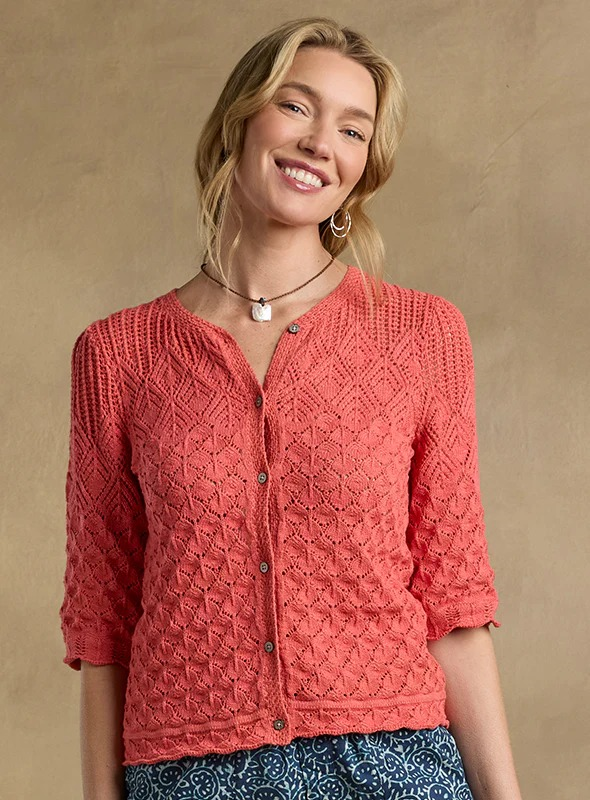
The science of color theory suggests that certain hues complement different skin undertones. Cool tones might find their best match in emerald greens and icy blues, while warm tones might glow in terracotta and golden yellows. However, beyond the technicalities of what “suits” us, there is the emotional resonance of color. Red is often associated with energy and power, making it a popular choice for moments when one needs to command a room. On the other hand, soft blues and greens can provide a sense of calm and approachability.
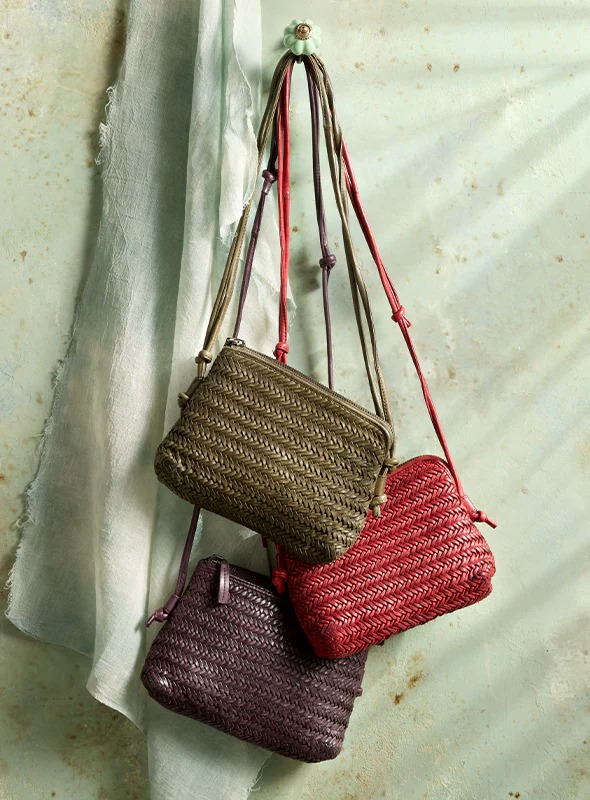
Incorporating color doesn’t have to mean wearing neon from head to toe. It can be as subtle as a jewel-toned scarf or a pair of vibrant shoes. For those who are color-shy, starting with “earthy” tones—like olive, mustard, or rust—can be an easy bridge into a more colorful wardrobe. These shades act almost as neutrals but offer more personality than standard beige. Ultimately, the goal is to use color as a reflection of your internal state or as a catalyst for the mood you wish to inhabit.